

Opioid treatment programs

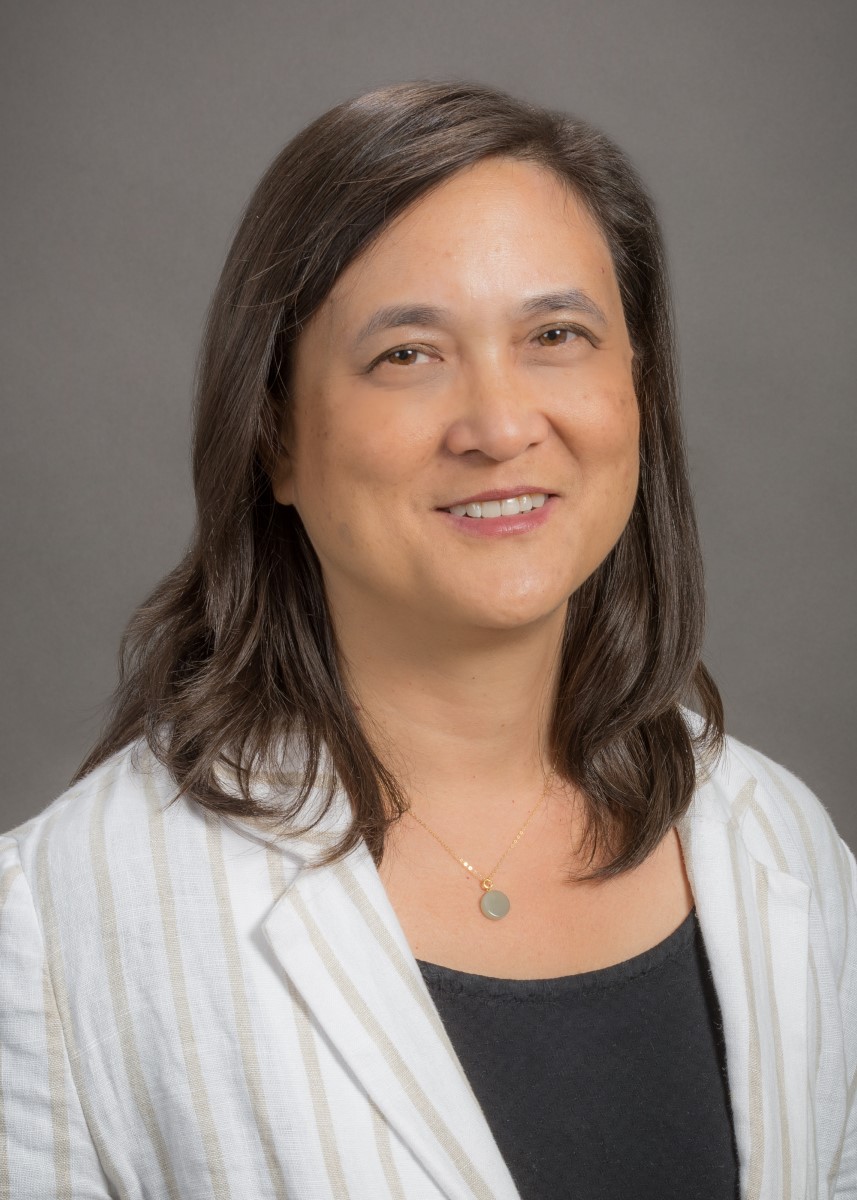
Dr. Judith Tsui, professor (General Internal Medicine) has been awarded two R01 grants from the National Institute on Drug Abuse (NIDA).
Ending the HIV epidemic
To end the HIV epidemic (EHE), the United States aims to reduce HIV incidence by 90% by 2030. Achieving elimination of HIV will require increased efforts to screen, treat and prevent HIV among people who use drugs (PWUD).
Recommended HIV prevention strategies for PWUD include use of medications for opioid use disorder (MOUD) as well as delivery of pre-exposure prophylaxis (PrEP). Nationally and locally, efforts to introduce PrEP among PWUD are suboptimal.
“Implementing HIV Screening and Prevention in Low-Barrier Office-Based Opioid Treatment (OBOT) Programs to End the HIV Epidemic” is a five-year, $3.8 million project that examines HIV testing and prevention in low-barrier OBOT programs and develops, implements, and evaluates strategies to improve HIV testing and PrEP uptake, including long-acting injectable PrEP.
Co-PI is Dr. McKenna Eastment, associate professor (Allergy and Infectious Diseases).
Improving the transition to outpatient opioid use disorder treatment
Opioid use disorder (OUD) represents a major public health crisis in the US, with over 550,000 people dying from opioid-involved overdoses between 2014 and 2023.
Hospitals are increasingly adding services to offer medications for opioid use disorder (MOUD) like buprenorphine, however, there are profound gaps with linkage to outpatient programs, with up to 50% of patients failing to continue MOUD after discharge. Interventions are urgently needed to support linkage to outpatient buprenorphine treatment after discharge.
“Improving the transition to outpatient opioid use disorder treatment through patient navigation plus remote mHealth adherence support for patients initiated on buprenorphine in the hospital” is a five-year, $3.7 million project that builds on the mHealth Incentivized Adherence Plus Patient Navigation (MIAPP) intervention developed through a prior NIDA grant.