

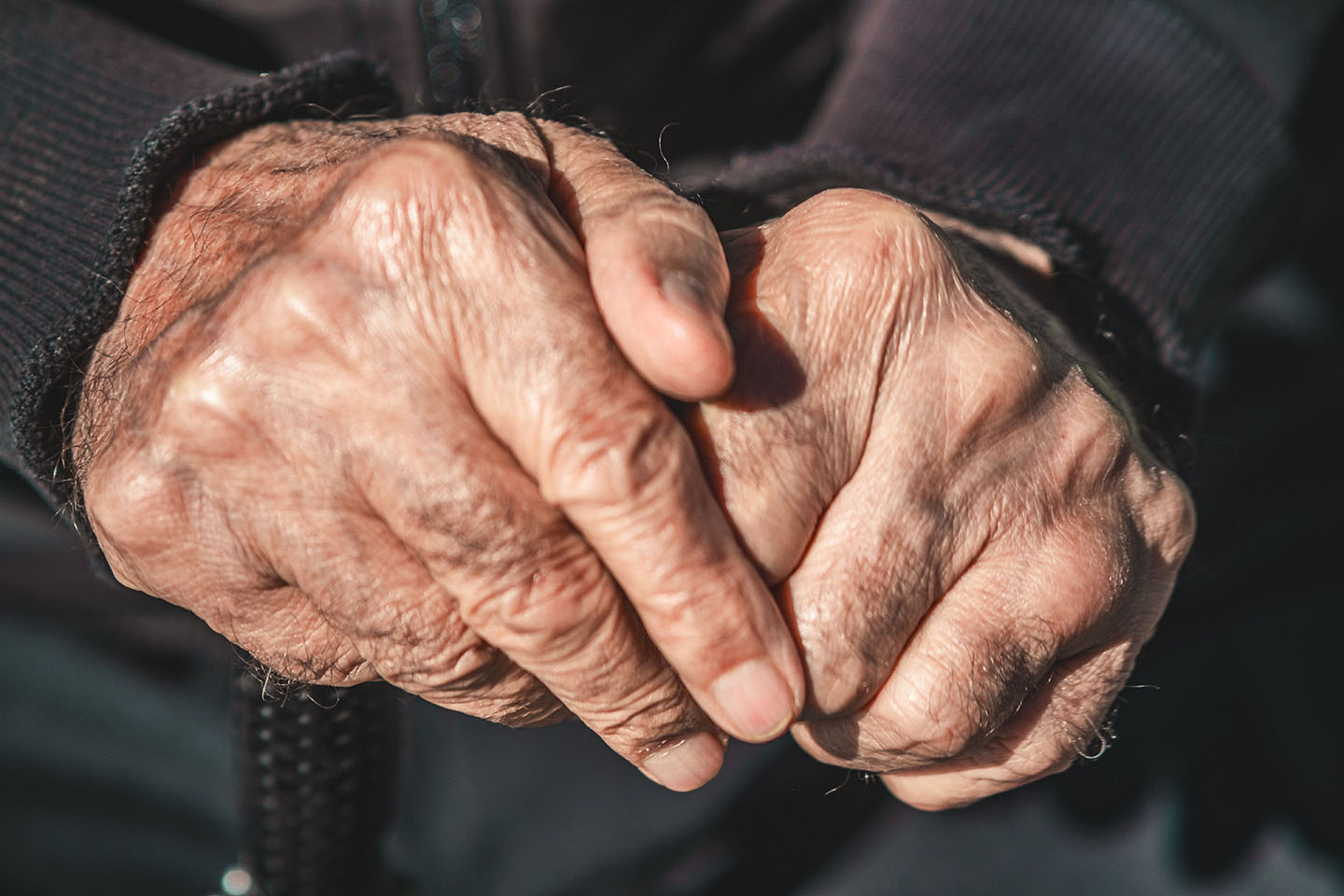
Neighborhoods and frailty in people aging with HIV

 Dr. Carolyn Fahey, acting assistant professor (General Internal Medicine) has been awarded a five-year K01 grant by the National Institute on Aging to study neighborhood conditions experienced by people with HIV at different ages, identify which neighborhood characteristics are most strongly linked to frailty development, and uncover individual-level characteristics that increase the risk of developing frailty among people with HIV.
Over half of the 1.2 million people living with HIV in the United States are now over the age of 50. While effective modern treatment enables people with HIV to lead long lives, they develop aging-related health conditions more often and at younger ages than other adults.
Frailty, an aging-related state of physiological decline that is linked to higher mortality and other serious health outcomes, is common in people with HIV. Recent studies suggest that frailty may be influenced by neighborhood characteristics such as access to parks and social engagement opportunities. However, previous research on this topic has not been conducted among people with HIV, who are highly impacted by both frailty and place-based drivers of health.
The goal of the proposed study is to identify neighborhood characteristics that could potentially inform strategies to prevent and slow the progression of frailty in people with HIV.