

Next-generation, non-lipid anti-atherosclerosis therapy

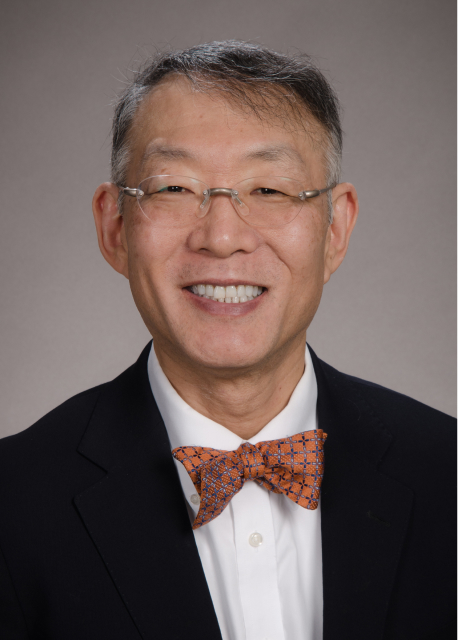
Dr. Ken Fujise, professor (Cardiology) is PI on a new R01 grant to develop a first-in-class, non-lipid therapy for atherosclerosis.
Atherosclerosis is a chronic, multicellular inflammatory disease characterized by intimal thickening, impaired blood flow, and progression to coronary artery disease and myocardial infarction (MI).
Affecting 128 million Americans and costing $407 billion annually, Atherosclerosis currently has only one FDA-approved pharmacologic therapy—low-density-lipoprotein (LDL)-lowering agents such as statins.
While effective for many, 18% of all MI patients maintain optimally low LDL levels, indicating that LDL reduction alone is insufficient to halt atherosclerosis. Thus, there is a critical unmet need for next-generation, non-LDL-based anti-atherosclerosis therapy.
"Seeing patients with coronary artery diseases has reinforced for me the need for therapeutic approaches that go beyond lowering LDL cholesterol,” says Fujise.
“Our laboratory discovered that fortilin, a protein involved in macrophage survival and proliferation, contributes to the development of atherosclerosis. We subsequently identified small-molecule compounds that inhibit fortilin and found that these compounds can reduce atherosclerotic disease in animal models. The new R01 will support our efforts to develop a fundamentally different approach to treating atherosclerosis.”