


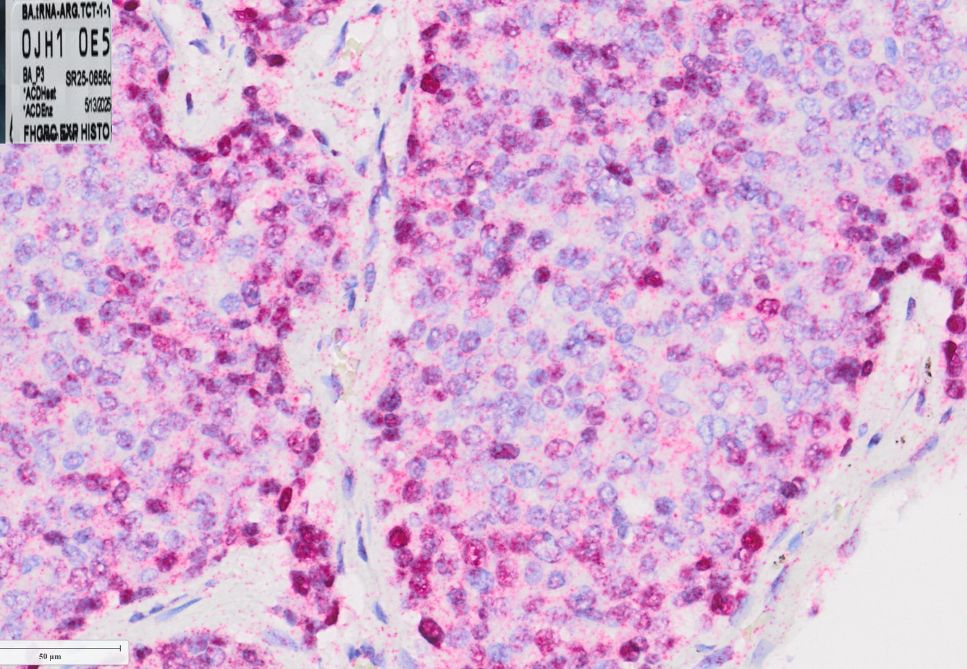
Key driver of aggressive prostate cancer identified

Researchers have identified a previously overlooked molecular regulator that helps determine whether prostate tumors remain sensitive to treatment or evolve into a more aggressive, drug-resistant form of the disease.
The findings, published this week in Nature, reveal for the first time that a single transfer RNA, or tRNA, can control the identity of prostate cancer cells and influence their response to therapy.
“The discovery opens an entirely new realm of cancer biology that was previously unrecognized,” said co-senior author Dr. Andrew Hsieh, professor (Hematology and Oncology). “Historically, tRNAs have been thought to play a bystander role in cell maintenance and disease, but our study shows that tRNAs can actively shape the identity of cancer cells.”